


Views: 0 Author: Site Editor Publish Time: 2026-06-11 Origin: Site


Inconsistent bend angles and tolerance drift rarely point to machine faults. Most often, they serve as glaring symptoms of neglected tools. You might instinctively blame the hydraulic crowning system or material batch inconsistencies. However, operators frequently overlook the actual point of contact. We must recognize reactive maintenance as a massive hidden cost center. Waiting for parts to fail actively increases your scrap rates. It causes unnecessary operator downtime. It severely compromises your final part quality across the board.
Shifting from reactive fixes to a systematic protocol changes everything. Active maintenance protects your initial equipment investments. It ensures reliable repeatability across complex bends. Furthermore, it delays the need for premature capital expenditure. When you establish strict inspection habits, you keep production moving smoothly. You stop wasting high-value materials. By treating your punches and dies as critical assets, you guarantee accurate bends every single shift. Better bending accuracy starts here.
Tooling wear directly dictates accuracy: Even microscopic wear on punch tips or V-die shoulders amplifies angular variations.
Standardized SOPs save money: Implementing structured daily and weekly cleaning routines drastically reduces galling and rust.
Storage matters as much as usage: Proper environmental control and handling of press brake accessories prevent 50% of premature tooling failure.
Know the replacement threshold: Maintenance can only do so much; understanding the ROI tipping point between regrinding and replacing is critical for shop efficiency.
When you skip basic press brake tooling care, expenses quietly multiply. It goes far beyond simply buying new punches. Worn profiles actively destroy your production efficiency. Scrap and rework metrics climb quickly in poorly maintained shops. High-tensile metals require exact tool geometries. Worn tools increase material waste significantly when you process specialized alloys. A slight radius deformation throws off the entire bend calculation. Operators then scrap expensive metal blanks repeatedly.
Machine wear cascades rapidly from localized tool damage. Worn punches lose their optimal piercing or bending profile. This structural loss forces operators to over-compensate. They crank up the tonnage to force the material into the desired shape. This action transfers immense stress directly to the hydraulic systems. The structural frame takes unnecessary strain. The machine degrades much faster than the manufacturer intended.
Production bottlenecks follow closely behind. Operators spend hours constantly adjusting the CNC crowning system. They meticulously shim dies to compensate for worn, uneven profiles. This labor cost adds up daily. You pay skilled workers to fight the machine instead of producing parts. Time spent tweaking setups to overcome bad tools is time lost forever. We must eliminate these hidden time sinks.
We must understand exactly how physical degradation alters your final bend. Even microscopic physical changes dramatically shift springback calculations. Punch tip degradation ranks among the worst offenders. A flattened or chipped punch radius directly alters the internal bend radius of your sheet metal. The machine expects a specific, sharp radius. The tool delivers a broader, blunted curve instead. Operators calculate springback assuming a sharp profile. The flattened tip completely invalidates those mathematical calculations. You get under-bent parts every time.
V-die shoulder galling creates severe friction imbalances. As metal slides into the V-die, material transfers onto the shoulders. Aluminum and galvanized steel stick especially well. This builds a microscopically rough surface. We call this material transfer galling. It creates asymmetric friction during the stroke. One side of the metal drags heavily. The other side slides freely into the die. This physical imbalance forces an asymmetric, twisted bend.
We must also respect tonnage overload limits carefully. Every tool handles a specific maximum localized tonnage. Exceeding this limit causes permanent physical deformation. The tool begins mushrooming at the load-bearing edges. Maintenance cannot fix a mushroomed die. You permanently ruin the geometry. The metal yields to extreme pressure, destroying the tool's structural integrity. You lose dimensional accuracy instantly.
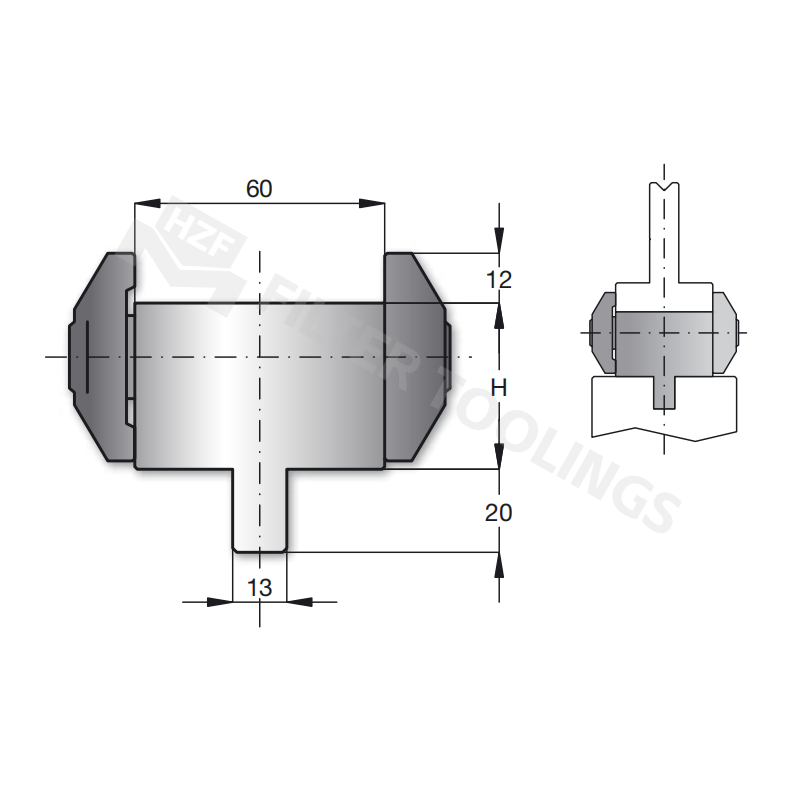
Establishing a rigorous press brake dies maintenance schedule keeps your shop profitable. You cannot rely on memory. You need documented, repeatable routines. We recommend structuring these into daily, weekly, and situational tasks to guarantee long-term accuracy.
Daily checks catch problems before they ruin finished parts. Operators must perform visual checks for surface galling before every single setup. They should look closely for scoring or micro-cracking along the working edges. Catching a tiny crack early prevents catastrophic tool failure. Post-shift routines matter equally. Operators must wipe down surfaces using soft, non-abrasive cloths. Never use harsh scrapers. After wiping away debris, apply light rust-inhibiting oils. This seals out overnight moisture perfectly.
Deep cleaning removes stubborn buildup without altering the fundamental tool geometry. We use specialized abrasive pads for this critical task. Always select the appropriate, non-destructive grit. Heavy scale and material buildup require careful attention. Scrubbing too hard alters the precise radius. You must inspect the tooling alignment closely during this time. Check all seating surfaces and tangs. Burrs on the tang cause severe seating inaccuracies. A seated die must sit perfectly flush. Even a tiny burr tilts the die slightly, ruining your bend angle entirely.
Proper lubrication extends life significantly. However, you must choose the right type based on context. Wet oils work well for standard carbon steel. They prevent rust in humid workshop environments. Dry lubricants excel when processing galvanized metals or sticky aluminum. Wet oil attracts dust and metallic debris. This combination forms a destructive grinding paste. Dry lubricants keep the surface slick without capturing airborne shop debris.
Maintenance Schedule Summary | ||
Frequency | Task | Action Item |
|---|---|---|
Daily | Visual Inspection | Check for galling, micro-cracking, and heavy scoring. |
Daily | Post-Shift Wipedown | Clean with non-abrasive cloths; apply light protective oil. |
Weekly | Deep Cleaning | Use appropriate grit pads to remove scale safely. |
Monthly | Tang Inspection | Examine seating surfaces for burrs; ensure perfectly flush seating. |
Where you put tools matters heavily. You must secure press brake accessories away from active danger zones. Storing them haphazardly accelerates degradation faster than actual bending.
Cabinet and racking solutions require careful thought. We strongly advise using dedicated, enclosed tooling cabinets. Open-air carts expose tools to constant workshop hazards. Airborne shop debris settles on freshly oiled surfaces constantly. Grinding dust acts exactly like sandpaper during the next bend. Enclosed cabinets keep these harsh contaminants out. They protect your precision ground surfaces.
Orientation and handling drastically affect lifespan. Never stack dies and punches horizontally. Throwing them casually into a drawer chips the hardened edges. The hardened zones are incredibly brittle. Striking two hardened tools together causes immediate micro-fractures. We advocate strictly for vertical storage. Separate each piece physically. Use slotted dividers inside the cabinet. This setup prevents edge chipping entirely.
Environmental controls prevent silent decay. Rust attacks tools constantly. Non-climate-controlled facilities face the highest risks. Temperature swings cause heavy overnight condensation. You must actively fight this moisture. Use VCI (Volatile Corrosion Inhibitor) paper lining inside every drawer. Place industrial desiccants in storage areas. These chemical agents absorb moisture aggressively. They form an invisible protective barrier over the steel.
Common storage mistakes include:
Leaving tools on open carts near active welding stations.
Stacking heavy dies horizontally on top of each other.
Failing to wipe off acidic hand sweat before weekend storage.
Ignoring humidity levels during long holiday shop closures.
Maintenance eventually hits a hard limit. You cannot clean away missing steel. Shop managers must constantly evaluate tool condition. They face a critical daily decision: repair, regrind, or replace?
Assessing regrinding viability requires precise measurement. We must define the physical limits of regrinding accurately. Regrinding impacts the overall height of the tool. You must know if your CNC system can adapt to modified tool heights automatically. Many modern systems adjust easily. Older mechanical machines struggle with uneven heights. Furthermore, you must check the induction-hardened zones. Most standard dies only have hardening a few millimeters deep. If you grind past this hardened layer, the tool becomes useless. It will wear down almost instantly upon reuse.
The ROI of replacement versus downtime usually favors buying new. We use a simple decision matrix for shop managers. Calculate the cost of repeated out-of-tolerance parts. Add the operator setup time spent adjusting shims. Compare this total labor and material loss against the price of a new tooling set. New tools often pay for themselves within weeks. Wasting hours compensating for bad tools drains profitability permanently.
We can use this evaluation stage to upgrade tooling technology. Commodity dies require constant maintenance. Advanced tooling solutions solve these problems natively. Precision-ground, deep-hardened profiles resist wear far longer. Specialized surface coatings reduce galling dramatically. These advanced options require less baseline maintenance. They outlast standard tools significantly, keeping your machines running longer without intervention.
Evaluation Decision Chart | ||
Condition | Recommended Action | Expected Outcome |
|---|---|---|
Light surface galling | Clean / Polish | Restores accuracy instantly. |
Minor edge wear (even) | Regrind | Maintains tool life if hardening depth permits. |
Deep gouges / Mushrooming | Replace | Prevents expensive scrap and machine damage. |
Worn past hardened layer | Replace / Upgrade | Ensures long-term stability with advanced coatings. |
Press brake tooling maintenance is absolutely not just housekeeping. It stands as a fundamental pillar of strict quality control. It drives effective asset management. When you implement rigorous daily routines, you guarantee product consistency. You protect expensive machinery from severe collateral damage.
Keep the shortlisting logic straightforward. If standard maintenance routines no longer restore accuracy, stop trying. The tooling has likely surpassed its functional lifecycle. Grinding away at deeply compromised steel wastes valuable operator hours.
We strongly encourage you to audit your current tooling inventory today. Check for severe wear, galling, and mushroomed profiles. Contact a tooling specialist to evaluate your specific replacement options. They can help you upgrade to high-endurance profiles tailored perfectly to your most demanding materials.
A: Perform light wipedowns daily after shifts. Do a deep cleaning weekly. However, materials like galvanized steel or aluminum require higher frequency cleaning. They cause rapid material galling on the die shoulders, ruining accuracy quickly.
A: Yes, professionals can regrind them. This only works if wear remains uniform. It must not penetrate the tool's induction-hardened layer. Do not attempt unprofessional grinding in-house. It destroys the exact geometry and ruins precision entirely.
A: This usually points to localized tooling wear. You might have improper seating caused by debris caught on the tang. Heavy galling on just one side of the V-die also creates severe friction imbalances during the stroke.
A: Apply specialized rust-inhibiting sprays designed for industrial tooling. Avoid standard WD-40, as it evaporates quickly. Always store tools vertically inside moisture-controlled, enclosed cabinets. Use VCI paper or desiccants to actively fight ambient shop humidity.


